If you didn’t get around to staining your new fence last summer, you’re not alone. Once the temperatures drop, many homeowners in Cincinnati start wondering — can you stain a fence in the winter without ruining the finish? The short answer is: you can, but it depends on the temperature, moisture levels, and the type of stain you use.
In this guide, we’ll explain when winter staining makes sense, when to wait for spring, and how to get the best results in Cincinnati’s unpredictable climate.
Temperature directly affects how well a wood stain penetrates and dries. Most professionals recommend applying stain when it’s between 50°F and 90°F. Below that, drying time slows down and the finish can turn uneven or blotchy.
If you’re in Cincinnati and asking yourself, can you stain a fence in the winter, remember that cold weather can make wood less absorbent and cause stains to sit on the surface instead of soaking in. This leads to dull color and a finish that won’t last long.
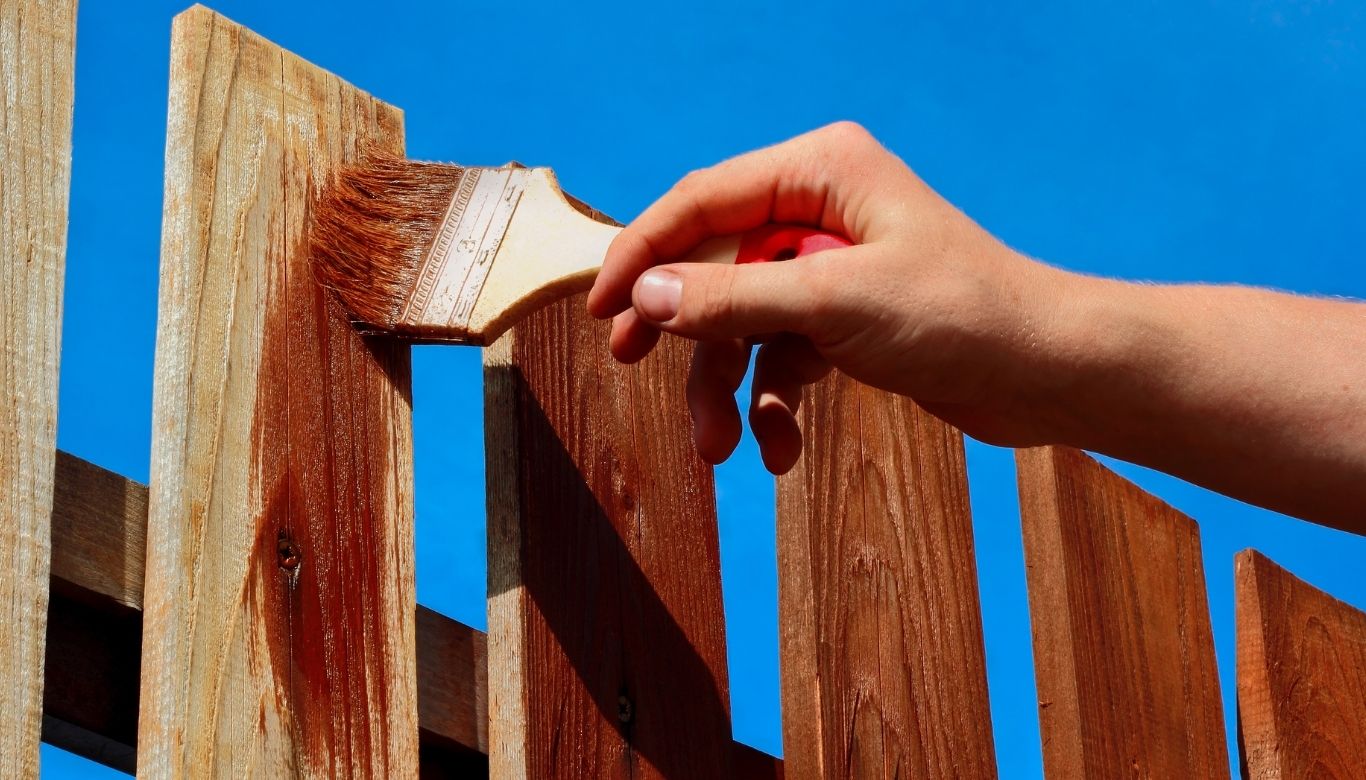
If you must stain during the cold months, oil-based stains are your best bet. These products don’t rely on water evaporation to dry, so they perform better in cooler conditions — sometimes even as low as 35°F.
Water-based stains, on the other hand, struggle in the cold. They can freeze, fail to penetrate, and leave your fence looking uneven. If you’re debating whether can you stain a fence in the winter with a water-based product, the answer is no — wait for warmer, drier weather.
For Cincinnati homeowners dealing with moisture and freeze–thaw cycles, choose a high-quality oil-based formula and apply it when daytime temperatures are mild.
While can you stain a fence in the winter is a fair question, the reality is that waiting until spring often gives you better, longer-lasting results. Cincinnati’s winter brings fluctuating temperatures and humidity, which can cause stains to dry too slowly or fail to bond.
If your fence is made from pressure-treated lumber, don’t worry — it’s designed to handle winter without damage. You might see the wood begin to gray slightly, but that’s just cosmetic and can be refreshed easily in spring.
If you decide to go ahead anyway, here’s how to make it work:
By following these steps, you can reduce many of the risks associated with cold-weather staining.

If you’ve asked yourself, can you stain a fence in the winter, it’s likely because you’re worried about what could go wrong — and that’s smart. Applying stain when it’s too cold can cause:
For most Cincinnati homeowners, waiting until consistent spring warmth is the safer, longer-lasting choice.
So, can you stain a fence in the winter in Cincinnati? Technically, yes — but it’s rarely ideal. If you have a short stretch of mild weather and use an oil-based stain, you can get decent results. However, waiting until spring ensures better color, stronger adhesion, and longer protection against Ohio’s harsh seasons.
In the meantime, focus on keeping your fence clean and dry, and plan your staining project for the first warm weekend of the year. You’ll get a better finish and a fence that lasts for years.
Looking for a fence that’s built to last and crafted with care? Heartwood Fence is your trusted local contractor for expert fence installation, repair, and replacement. Whether you need a new privacy fence, a secure pool enclosure, or a custom design that boosts curb appeal, our team delivers quality workmanship and honest service every time.
We treat every project like it’s our own home — with precision, pride, and a promise to get it right the first time.
Ready to start your project?
Contact our friendly team today for a free, no-obligation quote.
Serving Virginia Beach, Norfolk, Chesapeake, Hampton, Newport News, Roanoke, Cincinnati, and Orlando, Heartwood Fence builds fences that protect what matters most.